Dr. Steven Lindquist (B.A., University of Wisconsin - Madison, 1994; M.A., University of Chicago, 1998; Ph.D., The University of Texas at Austin, 2005) joined the department at SMU as Assistant Professor in 2006 and was promoted to Associate Professor in 2012. Some of the classes that he teaches include Introduction to Asian Religions, Hinduism, and advanced courses in Hindu traditions from ancient to modern. His research focuses on Sanskrit religious literature and he has published articles on topics such as late Vedic narrative, riddle-poems, genealogies, and numismatics. He has recently edited a Festschrift in honor of Dr. Patrick Olivelle (New York: Anthem Press) and his monograph on Yājñavalkya is forthcoming with SUNY.

default_img
Dr. Lindquist has lived in India over six years in Varanasi, Pune, Chennai, and Pondicherry conducting research, reading Sanskrit and Hindi, and consulting with local scholars. The research institutes he has been affiliated with include: Bhandarkar Oriental Research Institute, Adyar Library, Kuppuswami Research Institute, Institut Français de Pondichéry and the École Française d’Extrême-Orient.

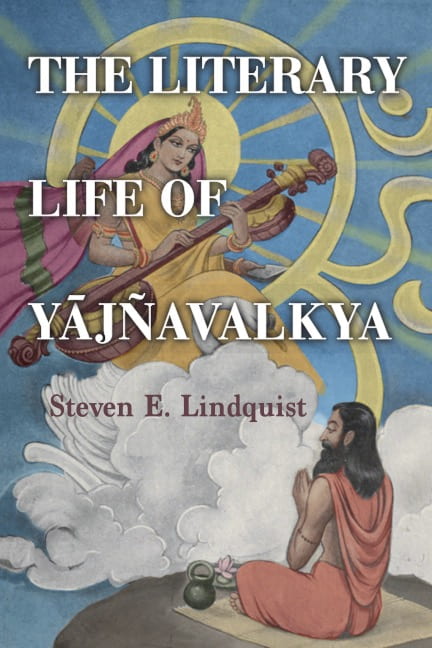
His monograph traces the literary life of Yājñavalkya—an ancient Indian sage who is said to be the founder of the White Yajurvedic ritual school.  Lindquist follows this figure through over 1000 years of literature (from the Śatapatha Brāhmaṇa and Bṛhadāraṇyaka Upaniṣad through the
yaj
Mahābhārata and Purāṇas).  He elucidates the ways in which communities portrayed and valued Yājñavalkya over time, in different genres of literature and for different reasons. Rather than seeing “myth” as an end-product, Lindquist traces the mythic process as dynamic and contested, particularly appropriate in the case of Yājñavalkya who is a means to establish a “new” Veda amongst the prevailing orthodoxy. Lindquist analyzes character development, narrative structure, and literary tropes used to serve different religious, political, and literary ends. In this way, this study offers a new means to analyze “myth” and “history” in early Indian literature, paying close attention to the interpretive limits of each within the confines of available evidence. This is the first monograph that looks at a late Vedic figure in both a synchronic and diachronic fashion and uniquely contributes to our understanding of early Indian narrative and myth formation.

More broadly, Lindquist is concerned with the modes of composition and transmission of Sanskrit religious texts; the relationship of text and history;
ritual; narrative and narrative theory; myth and folklore; and ancient Indian history and archaeology. Specific areas of research interest include: asceticism, Sanskrit narrative, the Brāhmaṇas and Upaniṣads, the Maurya and Gupta dynasties, patronage, and the relationship of ritual, sacrifice, and myth.